We teach the way children actually learn.
EES classrooms are built on the California Teaching Pyramid, a framework that puts social-emotional development first, because a child who feels safe and connected is a child who can learn.
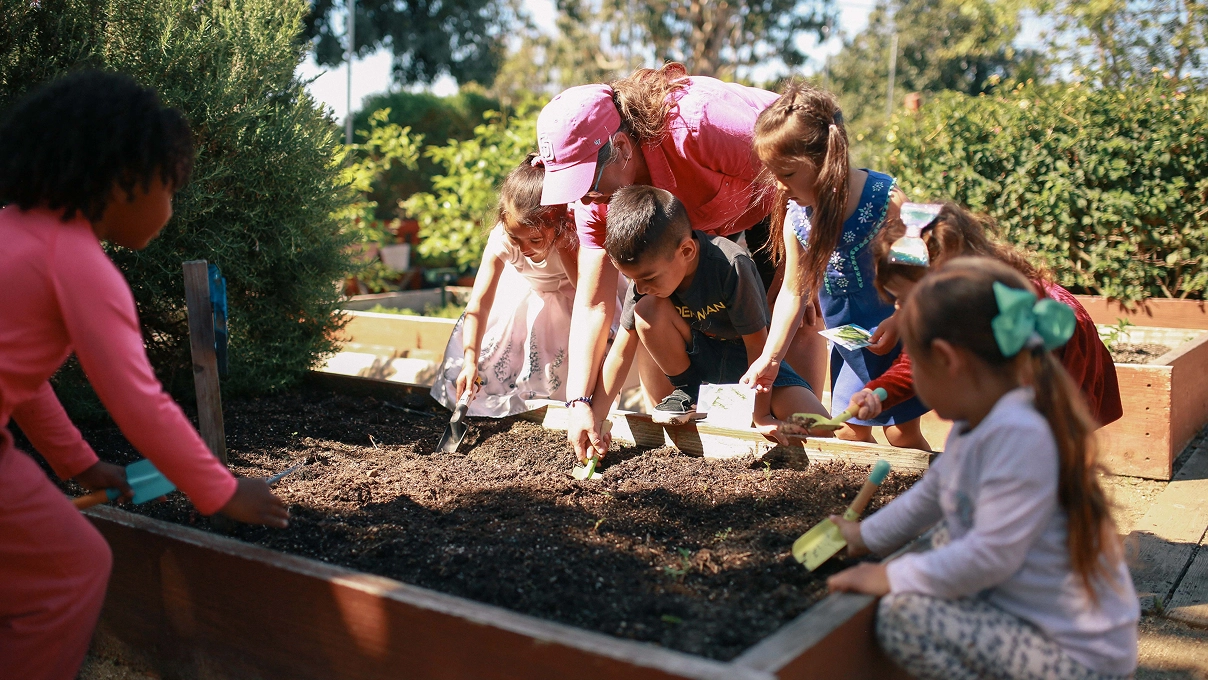
EES uses a play-based curriculum grounded in the California Teaching Pyramid, focused on social-emotional development, language, early literacy, math readiness, and creative expression. Every child's development is tracked twice yearly using the Desired Results Developmental Profile (DRDP). Vision, hearing, and dental screenings are built into the annual calendar.
Play is how children do their most serious work.
A four-year-old building a tower, negotiating whose turn it is, and figuring out why it keeps falling, that child is doing significant cognitive and social work. EES classrooms are designed around this reality.
Our teachers don't execute lesson plans. They follow curiosity. They stay in the room with a child long enough to understand how that child thinks, and they plan from there.
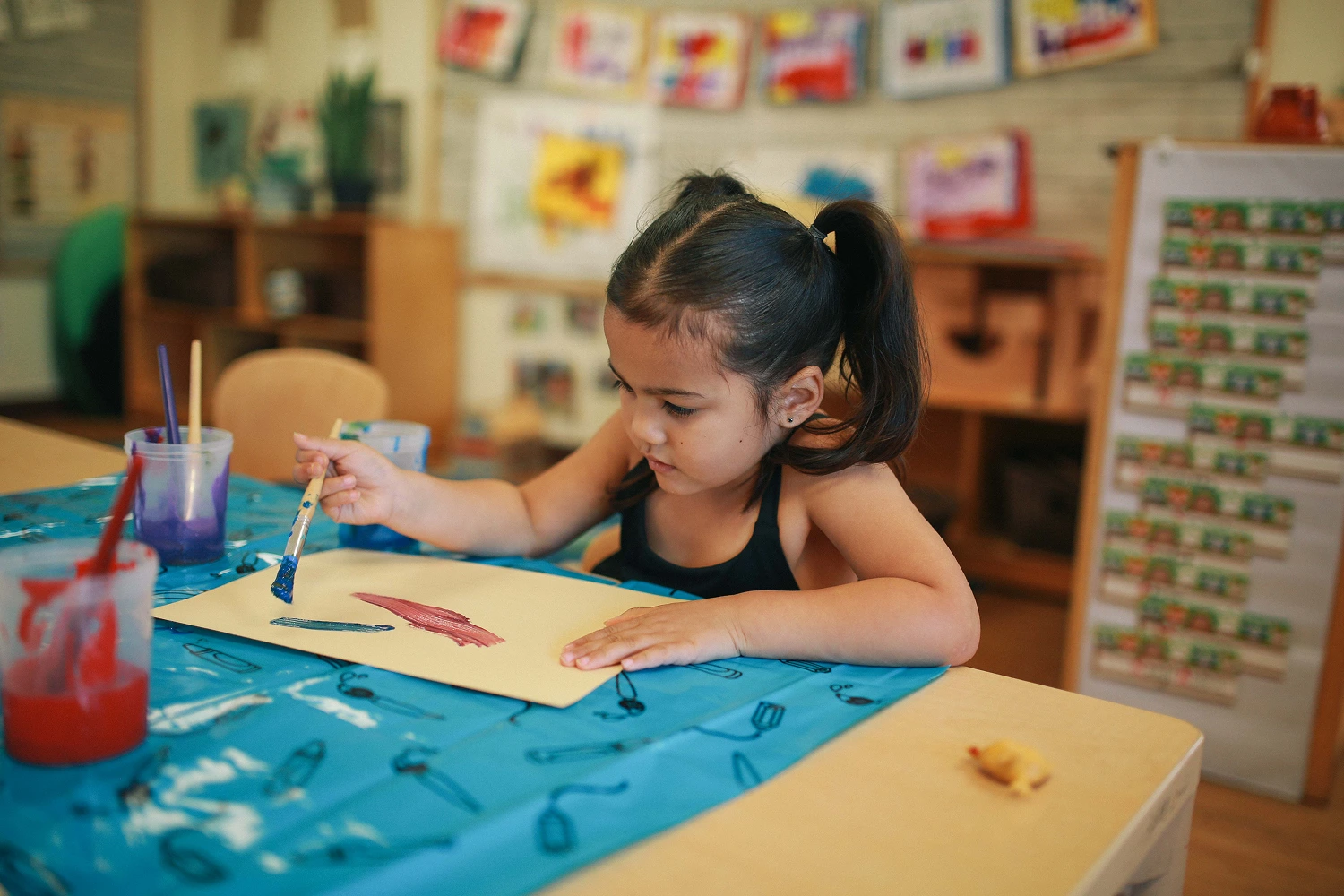

Social & Emotional Learning
How do I wait? How do I say I'm upset without hitting? How do I make a friend? We use the California Teaching Pyramid to teach these skills directly, because social and emotional skills create the foundation for all learning.

Language & Literacy
Reading aloud every day. Storytelling. Songs and rhymes. Conversations with adults who introduce vocabulary and connect new words to what children already know. We build readers long before a child can decode a word.

Math & Logical Thinking
Sorting, counting, noticing patterns, building and knocking down. At this age, math concepts are learned through real experiences.

Creative Expression
Art, music, movement, and dramatic play. Not extras. Core experiences that build fine motor skills, self-expression, and the ability to try something new.
How EES assesses child development
EES uses the Desired Results Developmental Profile (DRDP) — a state-recognized observational tool — to track each child's growth in language, motor development, and social-emotional skills.
We don't test children. We watch them during normal classroom activities and record what we see. Twice a year, you receive a clear summary — where your child is thriving, where they're growing, and what we're doing about it. You're in the room for the developmental Family Play Days.
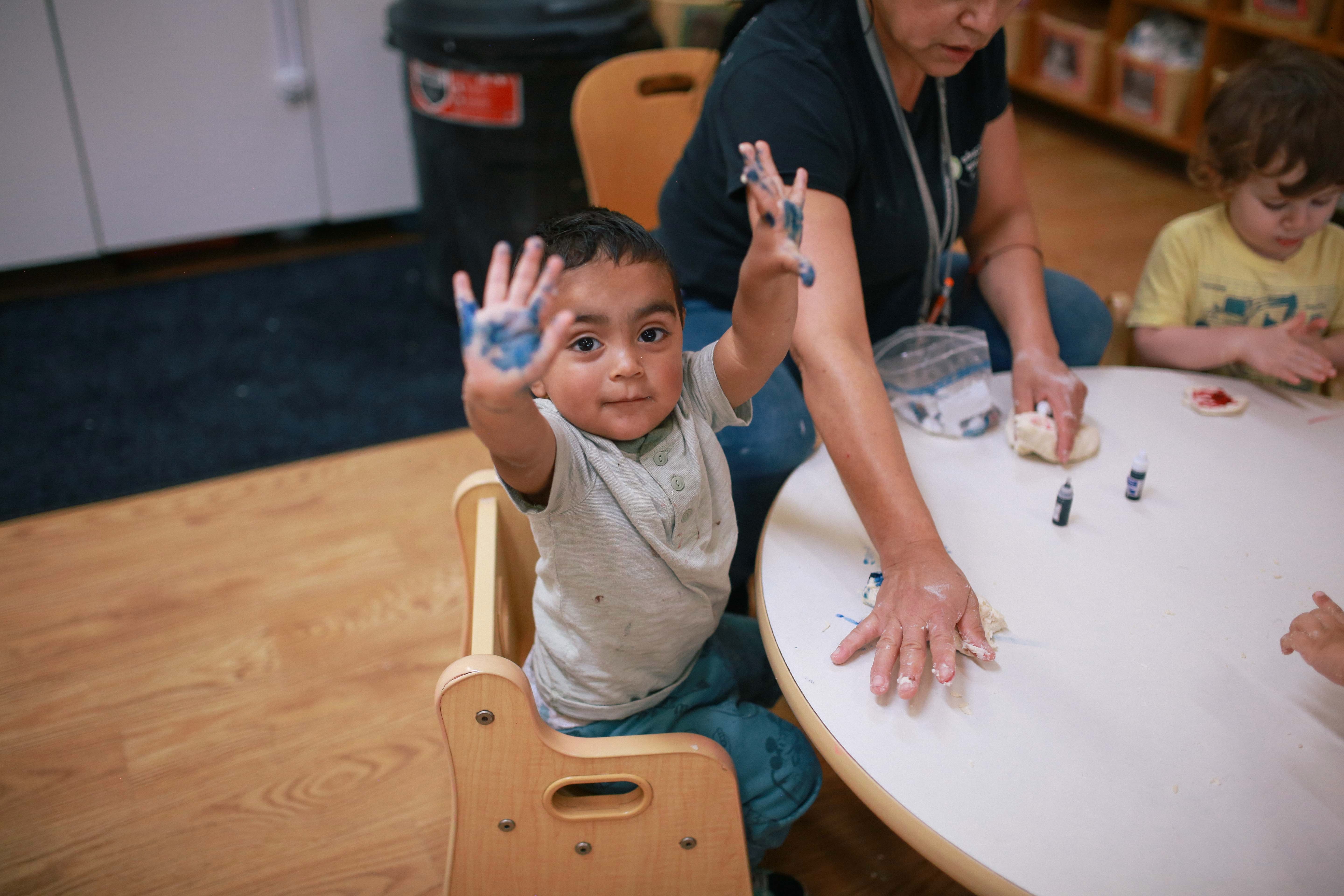
What an EES child can do in elementary school:
Sit next to a friend without conflict
Follow multi-step directions
Ask for help when they're stuck
Recognize letters, numbers, and patterns
Manage frustration and try again
Trust an adult who isn't their parent
Vision, hearing, and dental — built into the year
Vision and hearing screenings happen agency-wide in April, with follow-up in May. Dental screenings in February and March. Many children have their first screenings at EES.
